
Exploring the Future of CRISPR: Breakthroughs, Ethical Challenges, and Business Opportunities

Introduction
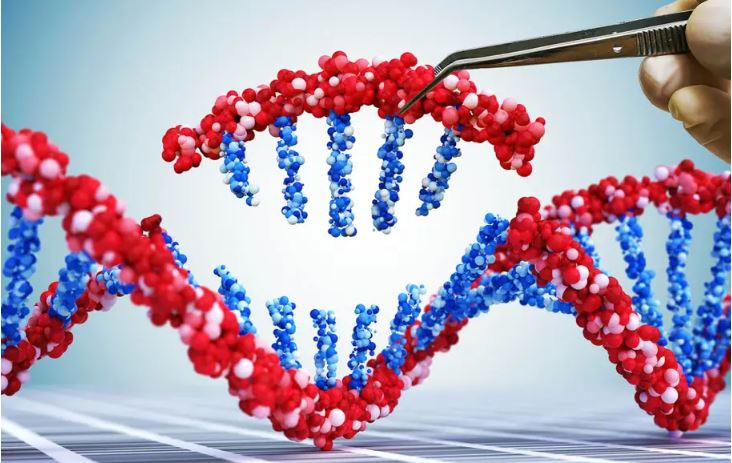
CRISPR technology has revolutionized genetics, enabling precise genome editing that has major implications for medicine, agriculture, and biotechnology. With the recent FDA approval of CASGEVY™, the first CRISPR-based gene therapy for sickle cell disease, and ongoing advancements in biofortified crops, CRISPR is poised to reshape industries and societies.
As this technology progresses, ethical considerations become increasingly important. Entrepreneurs, scientists, and policymakers must weigh the long-term consequences of gene editing. In this post, we’ll explore the latest breakthroughs, technological advancements, and ethical dilemmas surrounding CRISPR.
CRISPR in Medicine: A New Era of Gene Therapy
CRISPR has rapidly moved from research labs into clinical applications. CASGEVY™’s approval for sickle cell disease and transfusion-dependent beta-thalassemia marks a major milestone. The European Commission also approved the therapy in early 2024, opening the door for global adoption.
As of today, 89 CRISPR-based clinical trials are underway, exploring potential cures for genetic disorders, cancer, and rare diseases. With prime editing and base editing further refining the precision of gene modifications, the potential for curing hereditary conditions is becoming a reality.
Learn more about CRISPR clinical trials: Innovative Genomics Institute
CRISPR in Agriculture: Feeding the Future
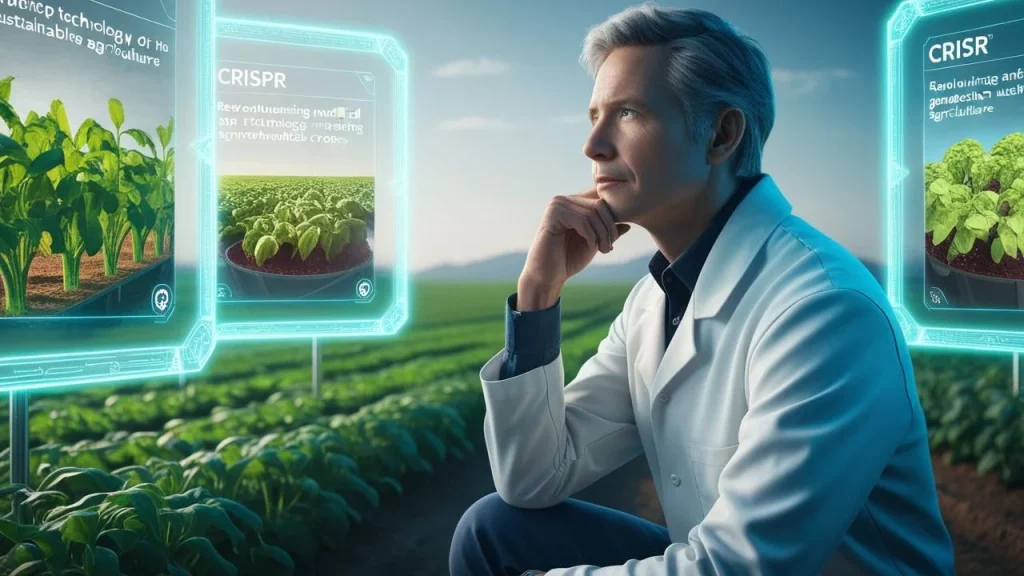
CRISPR isn’t just revolutionizing medicine—it’s transforming agriculture by enhancing crop traits like drought resistance, yield improvement, and nutritional value. Some key applications include:
Disease-resistant rice: Gene-edited to resist bacterial infections.
Enhanced tomatoes and peas: Modified for better flavor profiles.
Cold-tolerant soybeans: Increasing resilience against harsh climates.
One of the most promising advancements is the biofortification of staple crops. Scientists have successfully increased iron content in rice and enhanced the production of β-carotene (Vitamin A) in “Golden Rice”. Such breakthroughs could significantly reduce global malnutrition.
Read more about CRISPR in agriculture: Frontiers in Plant Science
Ethical and Societal Implications
As with any powerful technology, CRISPR comes with ethical concerns that must be addressed:
1. Germline Editing & “Designer Babies”
Editing genes in embryos raises ethical questions about consent, unintended consequences, and the risk of genetic inequality. Should we allow gene editing for disease prevention but ban enhancements like intelligence or athleticism?
2. Accessibility and Equity
The cost of CRISPR-based treatments could create a genetic divide, where only the wealthy can afford life-changing therapies. Regulations must ensure equitable access to genetic medicine.
3. Unintended Consequences & Biosecurity Risks
CRISPR’s precision doesn’t eliminate off-target mutations, which could lead to unforeseen health risks. There are also concerns about CRISPR being misused for bioterrorism.
Explore CRISPR ethics: Journal of Clinical and Diagnostic Research
Opportunities for Entrepreneurs and Investors
With CRISPR technology advancing rapidly, there are significant opportunities in:
1. Biotechnology Startups
New companies are emerging to develop CRISPR-based gene therapies, diagnostics, and synthetic biology applications. Investors are pouring capital into biomanufacturing, personalized medicine, and CRISPR-driven pharmaceuticals.
2. AgriTech & Sustainable Food Production
Entrepreneurs can leverage CRISPR to create climate-resilient crops and reduce dependence on pesticides. Companies developing CRISPR-edited seeds are gaining traction.
3. Ethical Gene Editing Services
As CRISPR becomes mainstream, companies focusing on ethically responsible gene editing will gain public trust and regulatory approval.
Stay updated on CRISPR business trends: CRISPR Medicine News
The Road Ahead: Regulations & Global Collaboration
Governments and global institutions are working to regulate gene editing while allowing scientific progress. Some key areas of focus include:
Stronger international guidelines for CRISPR applications.
Public engagement and education to ensure informed decision-making.
Collaboration between biotech firms and governments to balance innovation with ethical considerations.
Follow global CRISPR regulations: PubMed
Conclusion: A Future Shaped by CRISPR
CRISPR is no longer just a scientific experiment—it’s actively shaping our future. From curing genetic diseases to feeding the world, its potential is enormous. However, ethical challenges and regulatory hurdles must be carefully managed.
For innovators, researchers, and entrepreneurs, now is the time to engage in responsible CRISPR development. Whether in medicine, agriculture, or biotechnology, this technology will define the next decade.